Booking accommodations for the Tour du Mont Blanc is not an easy task. It requires patience, good planning, and sometimes a bit of luck too. This gets even harder if you want to stay only in mountain huts. Sleeping in the refuges is an amazing way to immerse yourself in Alpine culture and atmosphere, but it can also be a challenge to line up around ten bookings if you plan to complete the route in eleven days.
In the last few years, the huts have become harder to book, and even if you have flexible dates, sometimes it's still not enough to secure a bed for every stage. But don't worry, there are a few tricks that can help you find alternatives when things don’t go as planned.
In this post, we'll share some practical tips to help you if you find yourself in a difficult situation while planning your TMB adventure.
1. Use our map with all the mountain huts and campsites
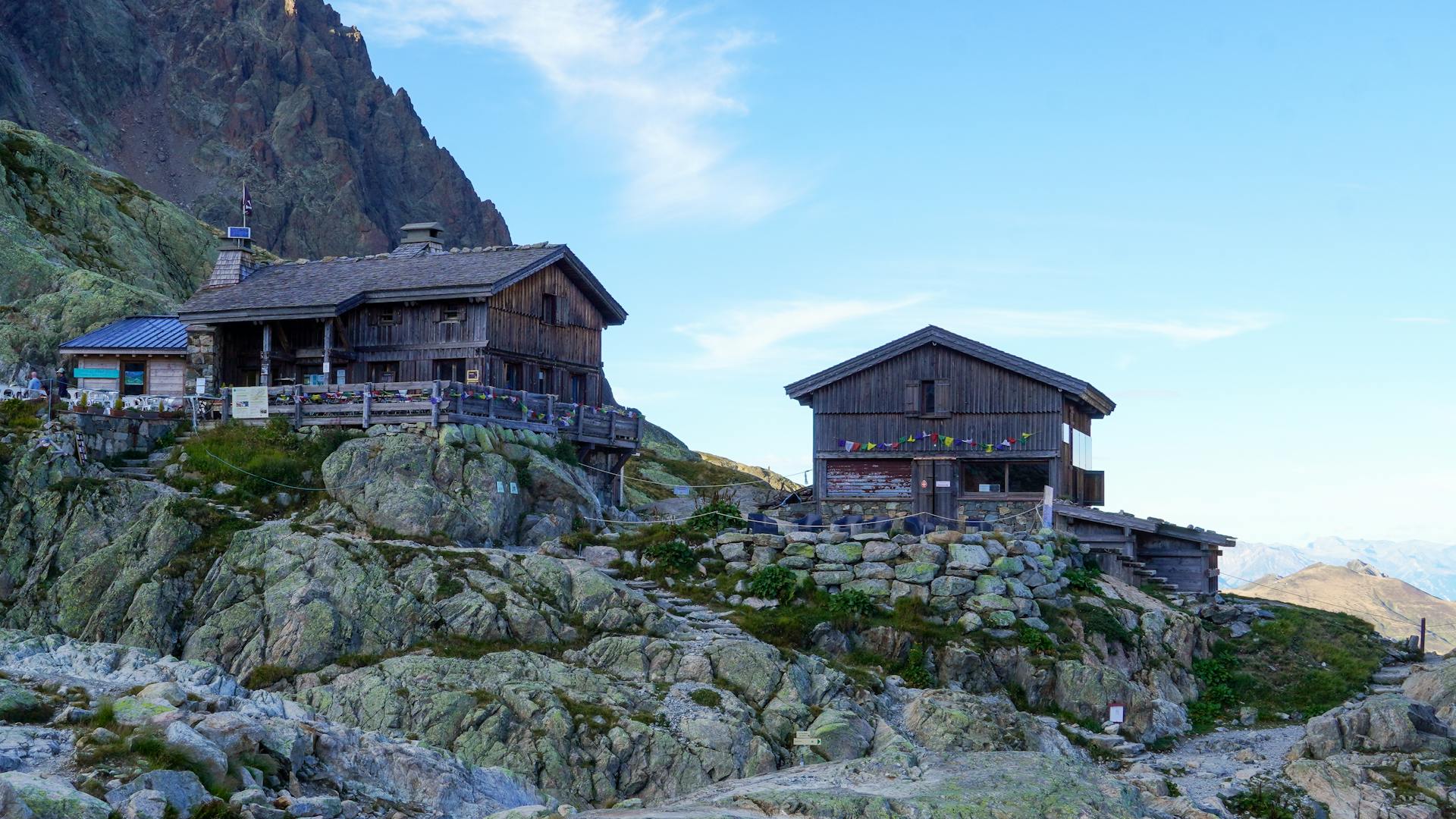
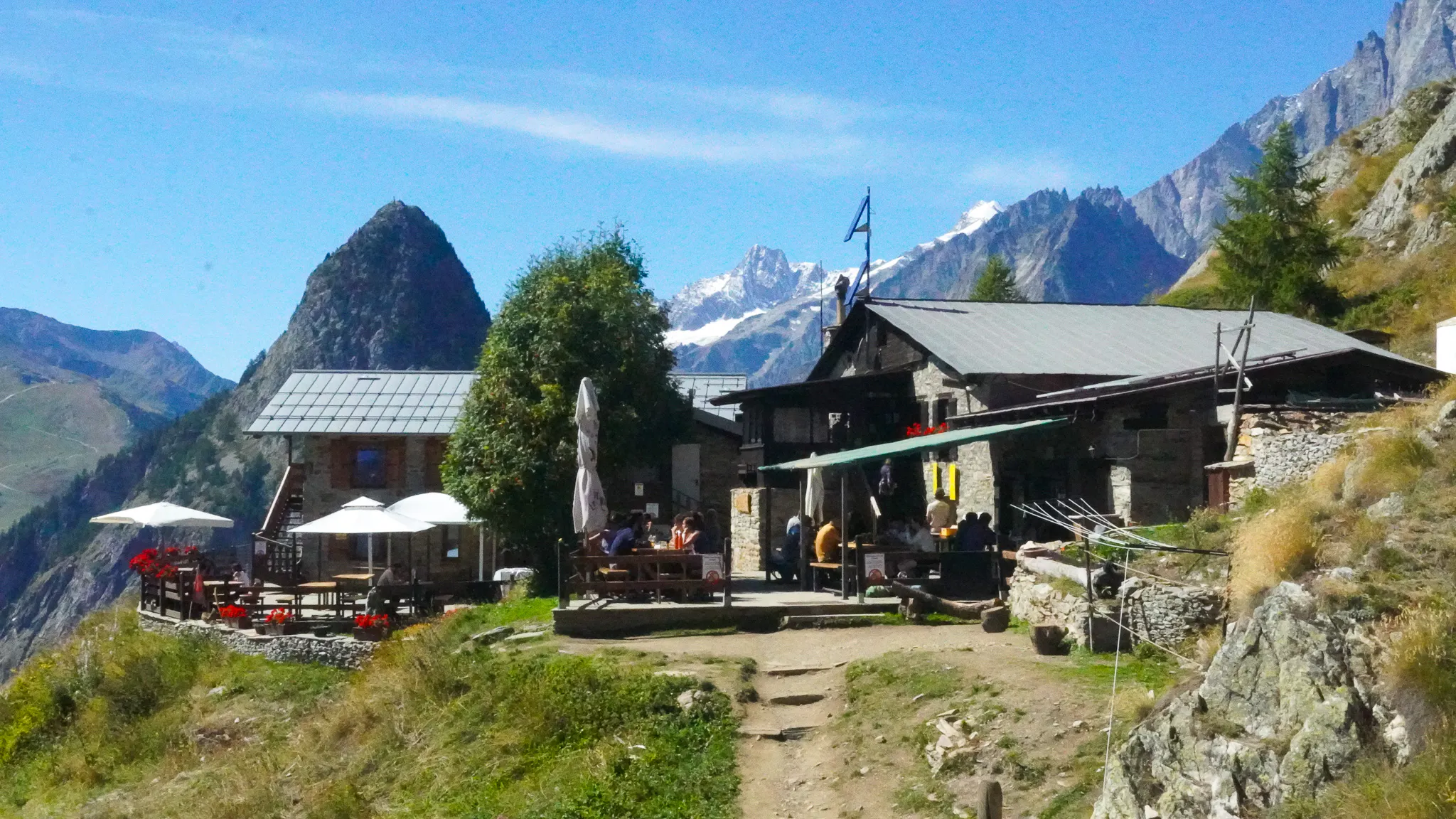
Most of the huts along the Tour du Mont Blanc are listed on the official TMB website, with around 43 refuges. But there are many others that don’t appear there. So the first thing you should know is that you have more options than what the official website shows.
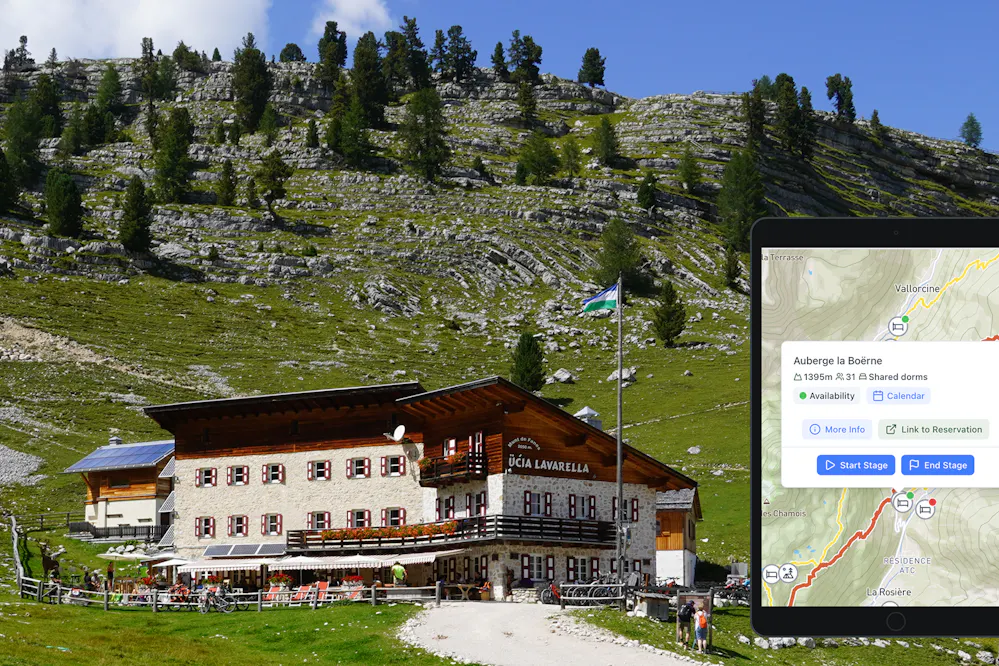
In our Hike Planner, you’ll find a map with more than 60 accommodations, including mountain huts, guesthouses, and campsites. Each place has a link where you can request a reservation directly.
Booking through the official TMB website is very convenient because everything is centralized, but the extra huts often have their own booking system. Some require a phone call or an email, which takes a bit more time. Still, if you’re struggling to find a bed in a specific section, checking the surrounding huts can be the key to solving your problem. Sometimes the best option is just a short detour away.
Create your perfect itinerary with our Hike Planner
Plan every stage of your hike with official routes, variants, and real-world trail data, all in one place.
- Curated hike data with official routes, variants, and more
- Design your hike stage by stage
- Find huts with real-time availability
- Download GPX files for your favorite navigation app
- Generate a printable PDF for your hike
2. Change the start point
The official starting point of the Tour du Mont Blanc is in Les Houches, near Chamonix. The Chamonix valley has plenty of accommodation options, great restaurants, and that classic Alpine vibe. It feels like the perfect place to begin your adventure.
But if the huts are fully booked for your dates and you can’t shift your schedule, one simple trick is to change your starting point. This automatically shifts all your booking dates by a few days, which can open up new availability along the route.
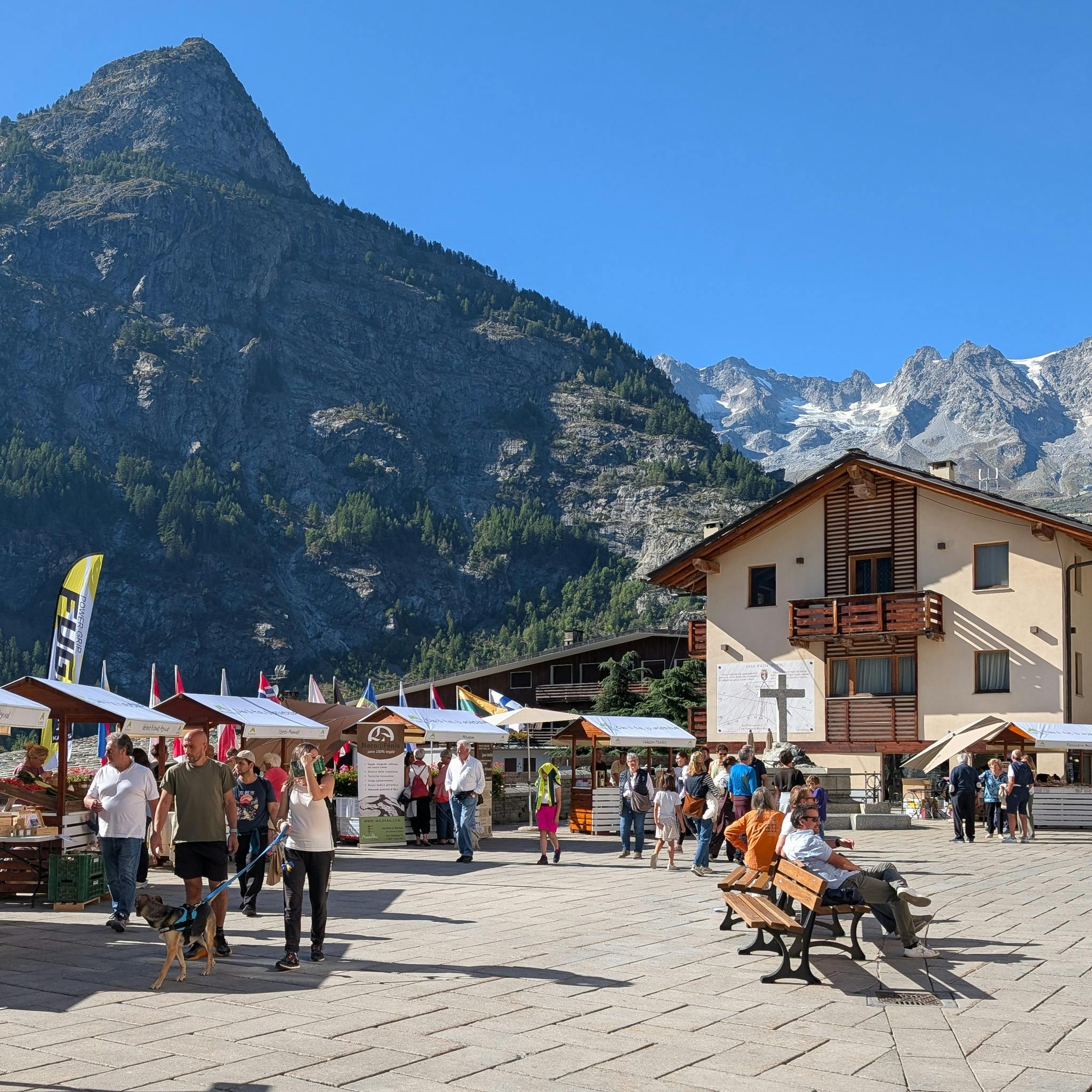
A great place to consider is Courmayeur, on the Italian side of the mountain range. It’s connected to Chamonix by the Mont Blanc Tunnel, and it’s a stunning town with lots of charm, good food, and plenty of accommodation options. Many hikers actually say Courmayeur is their favorite stop of the whole trail.
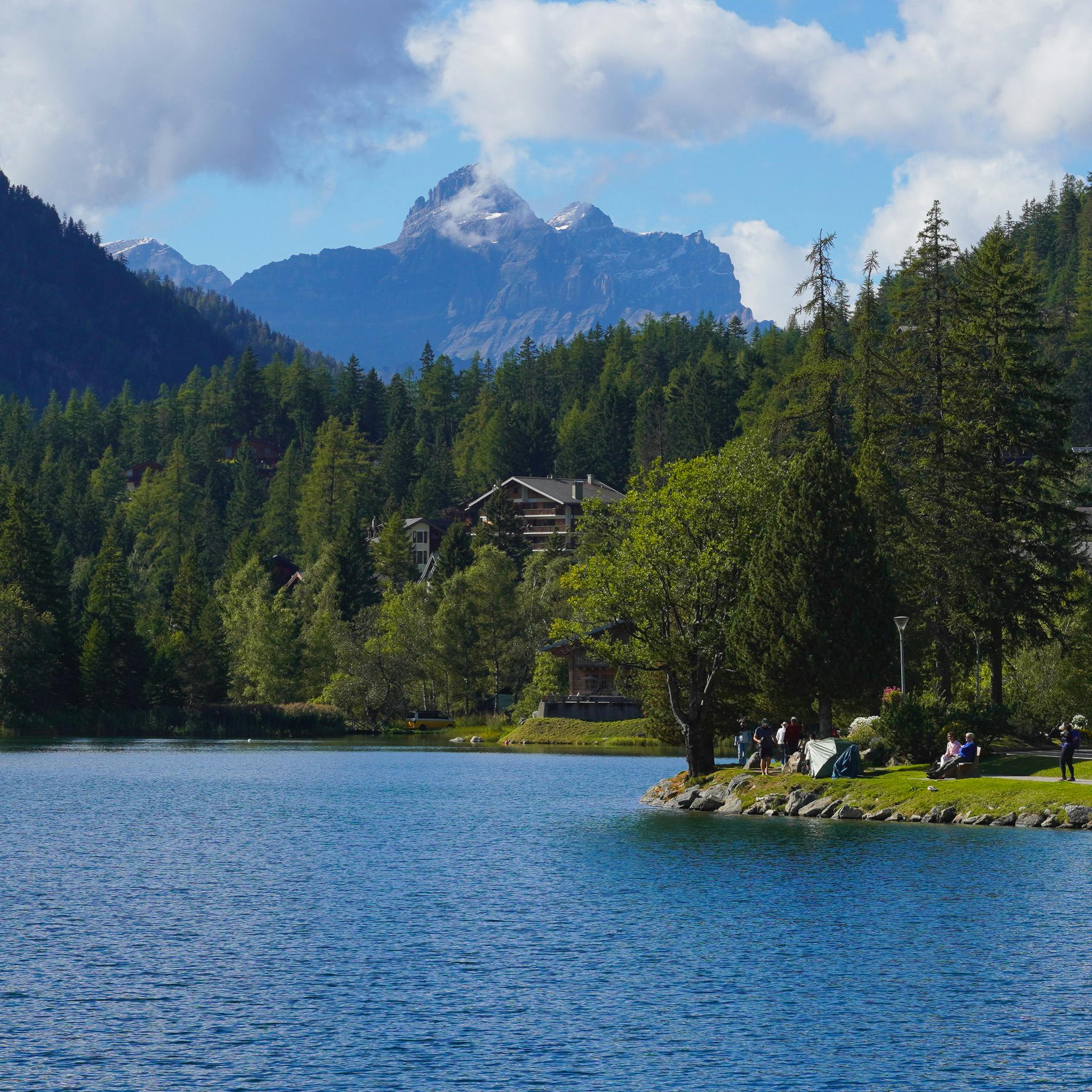
On the Swiss side, you won’t find towns as big as Chamonix or Courmayeur, but Champex-Lac and La Fouly are both accessible by public transport and can work well as alternative starting points. They’re quieter, but still beautiful and practical for starting the loop from a different angle.
3. Hike in a different direction
If starting from a different town doesn’t convince you, another option is to change the direction of your hike. Most people walk the TMB counterclockwise, so going clockwise will shift all your booking dates and might also help you avoid some of the busier sections and hiking queues.
Walking clockwise does come with one challenge. You’ll face a big climb right on the first day, and you’ll experience what many consider one of the top highlights of the whole route very early in your journey. But if you’re comfortable with the elevation gain and don’t mind starting strong, it’s definitely a good plan.
Some hikers even prefer the clockwise direction because the views feel fresh and the trail is usually quieter. It’s a simple switch that can make your itinerary much easier to book.
4. Tricks for the hotspots
There are a few places on the TMB that are notoriously hard to book. In some cases, you can just extend your hike and push to the next refuge, but that often means a very long day that not everyone is happy to do. If you don’t want to add extra kilometers, there’s another option: use public transport strategically.
You can either skip these busy sections completely (not ideal if you want to walk the full loop) or simply use buses and shuttles to access towns nearby with more accommodation. This way, you sleep somewhere else, and the next morning you take the bus back to the exact point where you stopped. You still walk every step of the trail but avoid the booking headache.
Here are the main hotspots and how to deal with them:
Les Chapieux, France
Les Chapieux is one of the classic bottlenecks on the TMB. Accommodation is extremely limited, but luckily there are a couple of transport options:
- Shuttle to Bourg-Saint-Maurice: It runs every day, usually with just two departures. Bourg-Saint-Maurice is a proper town with plenty of places to stay.
- Shuttle to La Ville des Glaciers: This option takes you deeper into the valley and cuts out a large portion of the climb. From there, you’re closer to a few huts, giving you more alternatives.
You can find more details about the transport schedule here.
Val Veny, Italy
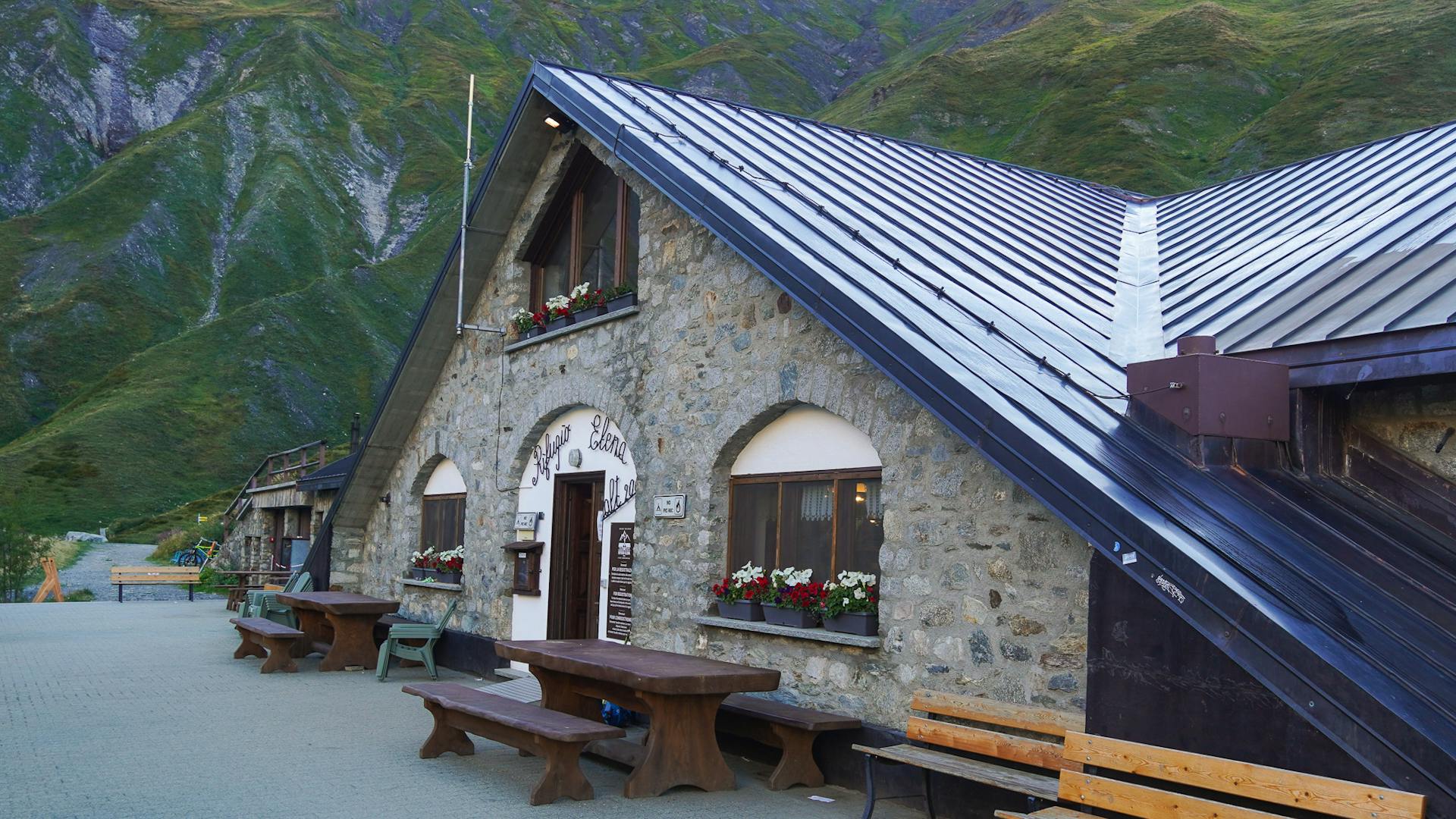
After Les Chapieux, the next tricky spot is Val Veny. Most itineraries end the stage at either Rifugio Elisabetta or Cabane Combal. When they're full, your next option, Rifugio Maison Vieille, adds roughly 10 km plus a good climb. Not ideal after a long day.
If you can’t or don’t want to push that far, continue down the valley to La Visaille, then from there, take the bus to Courmayeur, a beautiful town with tons of accommodation and great food. The next morning, if you wish, take the same bus back to La Visaille and continue the trail exactly where you left.
You can find more details about the bus schedule here.
La Fouly, Switzerland
Another place where you can use public transport to your advantage is between La Fouly and Champex-Lac. Even though you pass through several small villages, accommodation is surprisingly limited, especially if you’re looking for budget huts.
The hike between these two points is around 15 km and doesn’t include any big climbs. Many hikers consider it the least exciting section because it's the furthest you get from the Mont Blanc range.
For this stretch, buses run through the valley, so you can easily stay in one of the villages with availability, take a bus back and forth.
Honestly, if you need to “skip” any part of the TMB for logistical reasons, this is the most practical one.
You can find more details about the bus schedule here.
5. Consider camping
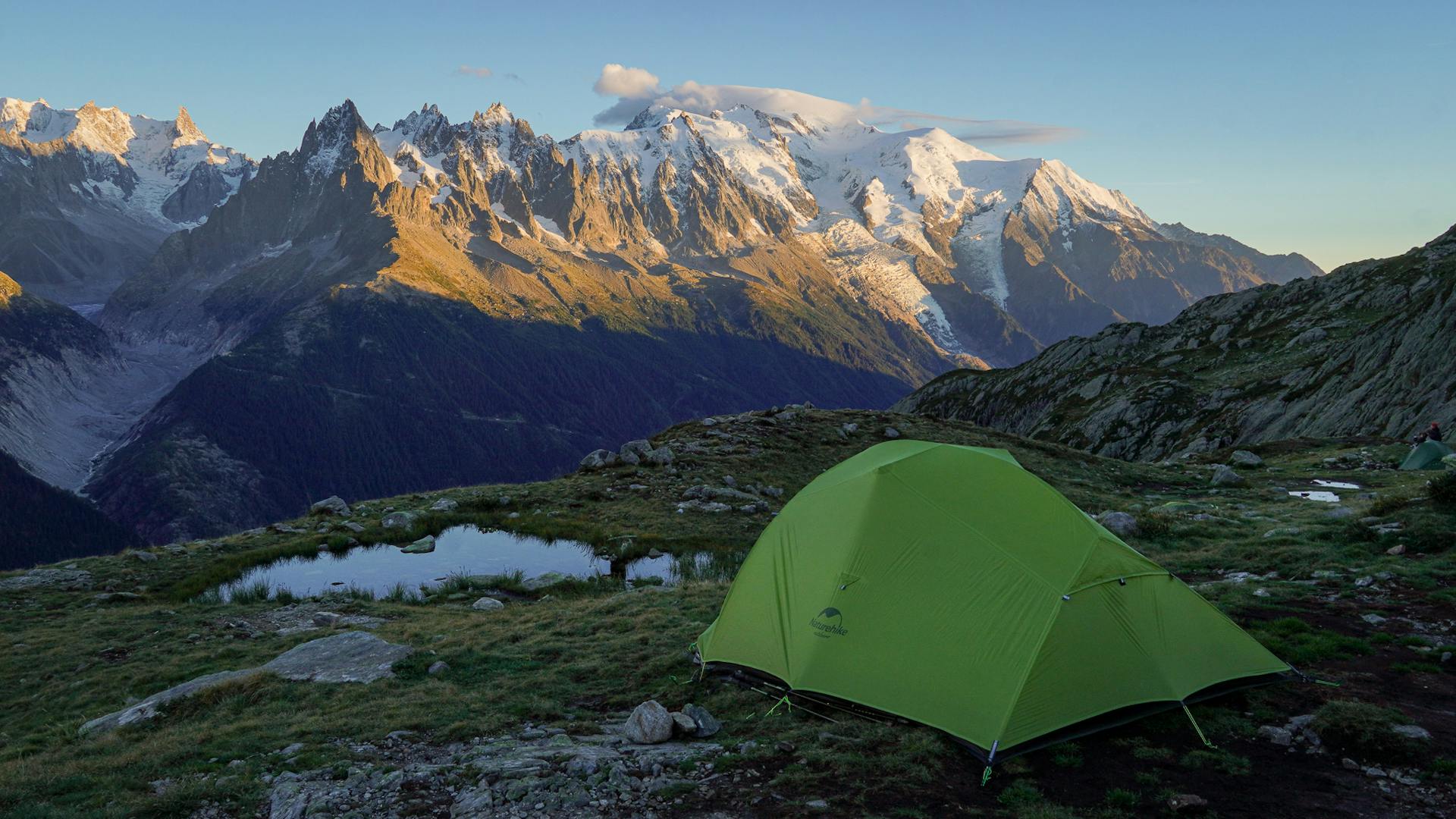
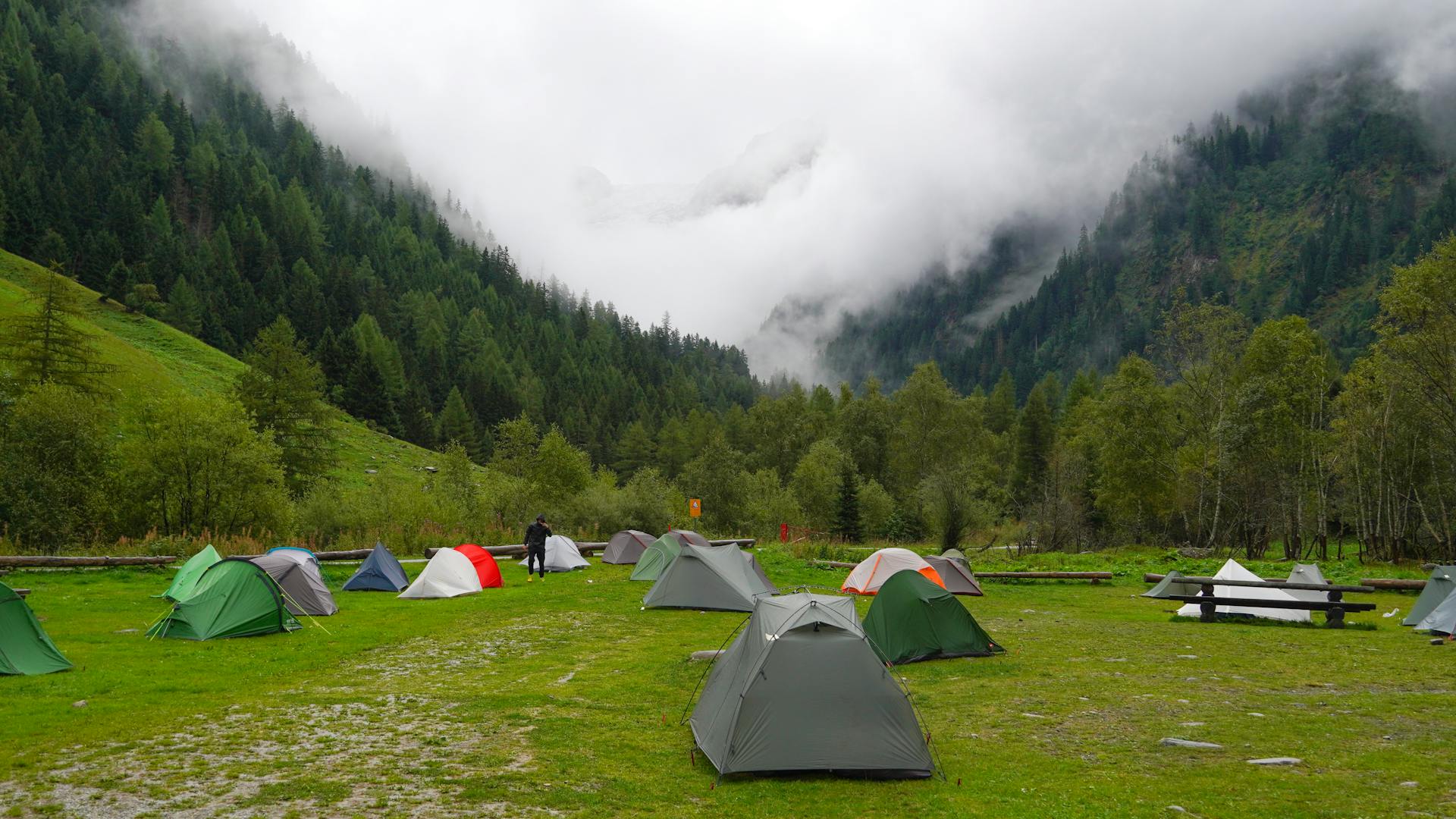
Another solution is to mix mountain huts with campsites. Of course, this means carrying your camping gear, but if you’ve camped before and already have what you need, it can be a great alternative.
These days, it’s completely possible to do the entire TMB using campsites, and in some areas even bivouacking (wild camping) is allowed. Just keep in mind that wild camping is regulated during the high season, and in some places you need to ask for a permit or follow strict rules about where and when you can set up your tent. But if you’re up for a slightly more adventurous experience, camping lets you enjoy the Alps in a more immersive and quiet way.
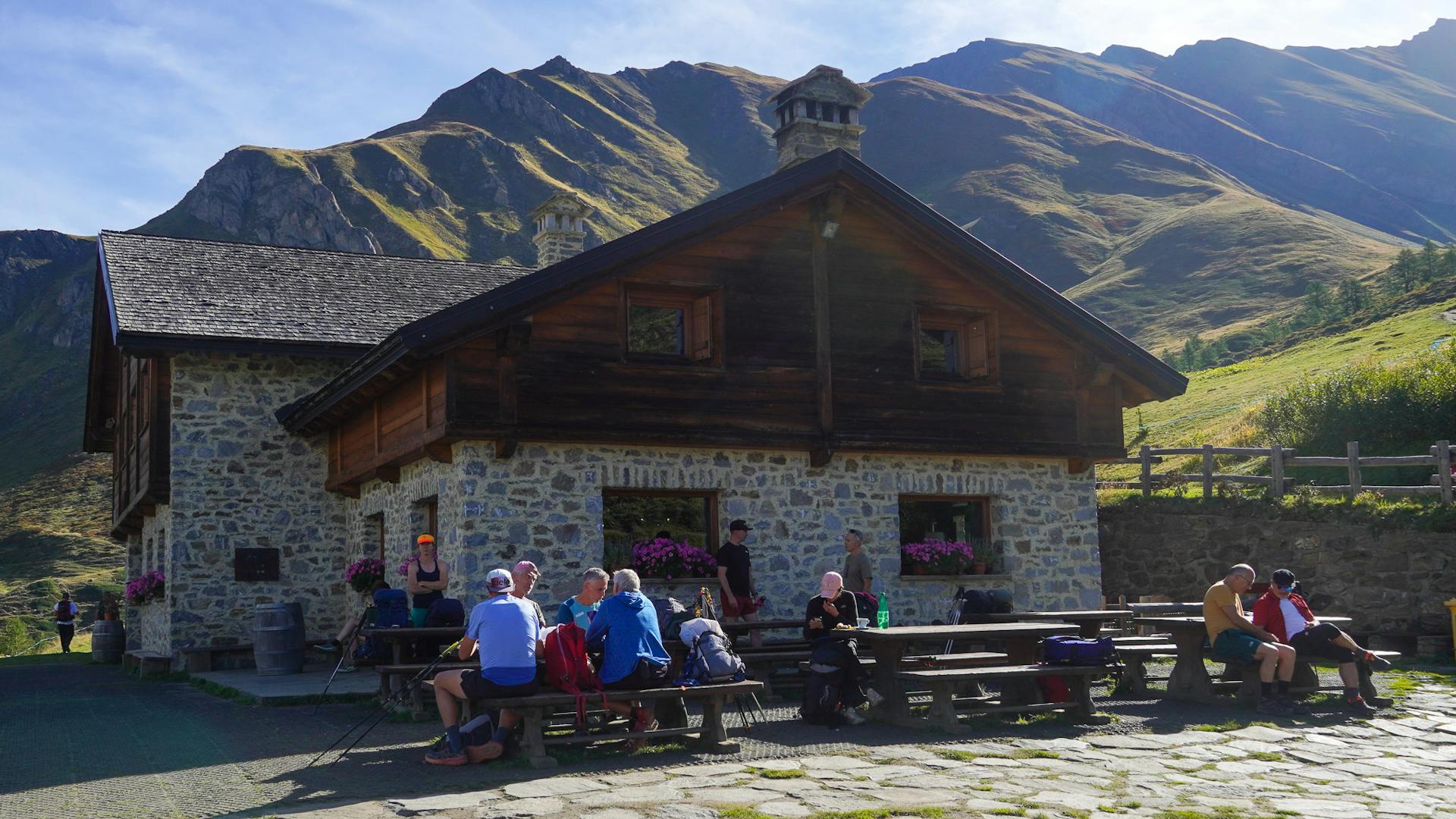
Honestly, this is our favorite way to hike. We love mixing wild camping, campsites, mountain huts, and at least one night in a nice hotel to fully recover. With this combination, you get a taste of everything: the comfort of huts, the freedom of camping, and the beauty of sleeping under the stars. It adds a whole new layer of experience to the TMB.
Booking the Tour du Mont Blanc can feel overwhelming at first, but with a bit of flexibility and creativity, it’s totally possible to make everything work. Whether you change your starting point, reverse the direction, mix in some camping, or rely on public transport for the tricky sections, there’s always a way to build an itinerary that fits your dates. In the end, the TMB is all about the experience, not the perfect schedule. Once you’re out there walking through the valleys and climbing those passes, all the planning stress disappears. So don’t give up on your dates, explore the alternatives, and enjoy every step of this amazing adventure.